Leaf Decorative: Graphics & Illustrations
As a blog designer and digital publisher, I’m always on the lookout for high-quality graphic design asset that can elevate editorial design and web design across multiple platforms. Leaf Decorative is one such asset that offers versatility, visual appeal, and a strong editorial mood. Whether you're creating blog graphics, social media graphics, or digital guides, this download includes a range of file types that cater to different publishing needs.
The First Impression: Aesthetic and Mood
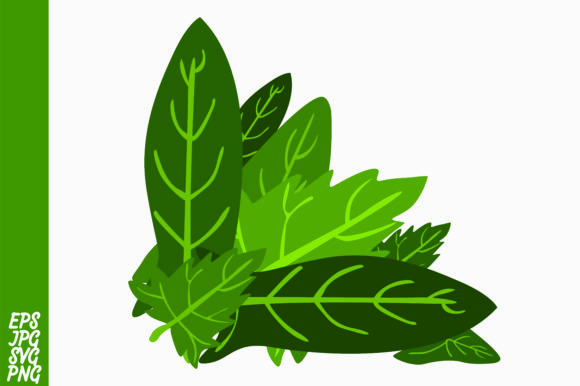
Leaf Decorative immediately catches the eye with its clean, modern design. The illustrations have a soft, natural feel that suggests creativity, growth, and elegance. This makes it ideal for content niches like lifestyle, wellness, home decor, or educational resources. Its visual tone feels both artistic and professional, making it suitable for a wide range of audiences.
The design’s simplicity allows it to blend seamlessly into various editorial layouts without overpowering the text. It works well in content marketing campaigns where visual hierarchy is key, helping to guide readers through the page while maintaining a polished look.
Real-World Publishing Applications
Leaf Decorative is more than just a pretty image—it's a powerful tool for content creators. Here are some ways it can be used in real publishing workflows:
- Blog Featured Images: Use Leaf Decorative as a hero image or header to make your posts stand out on search engines and social media.
- Pinterest Pins: Its clean lines and decorative elements make it perfect for Pinterest graphics that attract clicks and engagement.
- Article Headers: Incorporate it as a background or accent to create a cohesive visual identity across your site.
- Website Banners: Add it to your homepage or category pages to reinforce brand identity and improve user experience.
- Newsletter Graphics: Use it as a header or background to make your email campaigns more visually appealing.
- Lead Magnets: Include it in downloadable resources like worksheets, checklists, or printables to enhance their value.
- Canva Templates: The SVG and EPS files allow for easy customization in design tools, making it a great addition to your creative design toolkit.
Boosting Content Performance
Visuals play a critical role in content performance. Leaf Decorative helps improve several key areas:
- Stronger First Impressions: A well-designed graphic can make your content more attractive and trustworthy from the moment a reader lands on your page.
- Better Click-Through Potential: Eye-catching visuals increase the likelihood that readers will engage with your content, especially on social media and search results.
- Consistent Branding: Using a unified design asset across your website and social media helps reinforce your brand identity and build recognition.
- Improved Reader Trust: Professional-looking content reflects well on your brand and increases the perceived value of your work.
- Stronger Visual Identity: Leaf Decorative adds a layer of sophistication that supports your overall design system and editorial style.
Where Leaf Decorative Shines
This graphic design asset excels in situations where visual appeal is key. Consider using it for:
- Hero Images: As a background for landing pages or main sections of your site.
- Article Thumbnails: To make your content more discoverable on platforms like YouTube or social media.
- Pinterest Pins: For content that requires a clean, decorative look to stand out in a crowded feed.
- Blog Graphics: To enhance article headers, sidebars, or section dividers.
- Editorial Accents: As a subtle element that complements your text without distracting from it.
- Content Upgrades: In downloadable resources like guides, templates, or printable designs.
- Social Media Previews: To create engaging and shareable content that aligns with your brand’s aesthetic.
Where to Use It Carefully
While Leaf Decorative is versatile, there are scenarios where it may not be the best choice:
- Small Mobile Thumbnails: The intricate details might not scale well on smaller screens, reducing clarity.
- Text-Heavy Blog Images: If your post has a lot of text, the graphic could compete for attention instead of supporting it.
- Low-Contrast Backgrounds: Ensure it stands out against the background for optimal visibility.
- Busy Layouts: Avoid using it in complex designs where it might get lost or clutter the space.
- Serious Professional Niches: For corporate or highly minimalist sites, a simpler design might be more appropriate.
Publisher Notes and Best Practices
Before integrating Leaf Decorative into your content, consider these practical tips:
- Test on Desktop and Mobile: Make sure it looks good on all devices, especially if it's used as a thumbnail or banner.
- Preview in Real Blog Layouts: See how it fits with your existing design elements and content structure.
- Check Contrast and Readability: Ensure the text remains legible when placed over the graphic.
- Try Different Font Styles: Test it beside serif, sans serif, script, handwritten, and display fonts to see how it interacts.
- Review File Size: Optimize images for web performance to avoid slowing down your site.
- Compress Properly: Use tools like TinyPNG or Adobe Photoshop to maintain quality while reducing load times.
- Confirm Commercial License: Verify that the asset is suitable for use on monetized websites, affiliate pages, or paid content products.
Final Thoughts
Leaf Decorative is a valuable addition to any content creator's toolkit. Its clean, modern design and versatile file formats make it ideal for a wide range of publishing needs. Whether you're designing blog graphics, social media graphics, or digital guides, this graphic design asset can help you achieve a more polished and professional look.
By thoughtfully incorporating Leaf Decorative into your editorial design and web design strategies, you can enhance your content marketing efforts, build stronger brand identity, and create a more engaging experience for your audience. Just remember to test it thoroughly and use it where it will have the most impact.