Decorative Spider Thread Pattern. Scary
First Impressions: A Spooky Yet Stylish Design
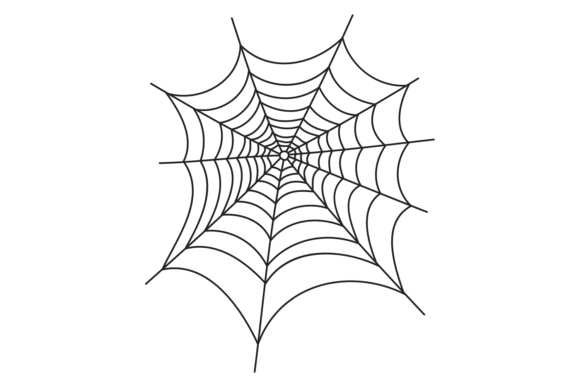
The Decorative Spider Thread Pattern. Scary immediately grabs attention with its eerie yet artistic approach. The arachnid web is isolated on a white background, giving it a clean and modern look that can be easily adapted to various embroidery projects. The design feels like a perfect blend of horror and elegance, making it ideal for seasonal or themed items.
The shape and layout are well-balanced, with intricate details that suggest a high level of craftsmanship. The web’s symmetry and complexity make it suitable for both subtle and bold applications. It’s clear that this design was created with intention, not just as a generic spooky image.
Real-World Use: What This Design Brings to the Table
Imagine you’re working on a custom embroidered tote bag for a client who wants something unique for a Halloween event. The Decorative Spider Thread Pattern. Scary could be the perfect centerpiece. Its visual personality is strong enough to stand out but not so overwhelming that it distracts from the rest of the design.
This design works well on apparel, especially when used as a focal point. It adds an element of surprise and intrigue, which can be a big draw for customers looking for something different. Whether it’s a sweatshirt, baby onesie, or a patch for a jacket, the pattern has a natural place in many embroidery projects.
Embroidery Performance: Practical Considerations
When using the Decorative Spider Thread Pattern. Scary in real-life embroidery situations, there are several factors to consider. The design’s detail level means that stitch density must be carefully managed. Too much density can cause the fabric to pucker or the threads to tangle, while too little may result in a weak appearance.
For custom apparel, such as t-shirts or sweatshirts, the design should be tested on similar fabric types first. Thin or stretchy materials might require additional stabilizer to maintain the integrity of the web’s structure. On textured fabrics, the pattern could lose some of its clarity, so a smooth, even surface is ideal.
When applied to small hoop sizes, the design may need to be resized or split into sections to ensure proper stitching. This is especially important for detailed corners or areas where the web’s lines intersect. If the design is too dense for the hoop, it could lead to skipped stitches or uneven coverage.
Where to Be Cautious: Limitations and Challenges
While the Decorative Spider Thread Pattern. Scary is versatile, there are certain scenarios where it might not perform as well. On dark fabrics, the white background of the design may not show up clearly, unless the thread color is adjusted accordingly. For example, using a light-colored thread on a dark background could help maintain visibility.
On curved surfaces like caps or hats, the design’s sharp angles might not translate well. It’s worth testing it on a mockup before committing to a full project. Similarly, if the design is intended for a product that will be washed frequently, the durability of the stitches should be evaluated to prevent fading or distortion over time.
If the design is meant for layered garments or products with multiple layers, the web’s intricacy could become lost. In such cases, simplifying the design or using a different style might be more effective.
Impact on Visual Appeal and Customer Perception
The Decorative Spider Thread Pattern. Scary can significantly enhance the visual appeal of a finished product. Its unique aesthetic makes it stand out in a crowded market, whether it’s on a handmade item or a commercial product. Customers often appreciate designs that tell a story or evoke emotion, and this pattern does exactly that.
From a business perspective, using this design can add value to a product, especially if it’s marketed as a limited edition or seasonal item. It can also increase customer trust by showing that the designer or seller pays attention to detail and offers high-quality work.
In terms of giftability, the design is a strong choice for holidays, birthdays, or special occasions. It’s eye-catching and memorable, making it a great option for personalized gifts or boutique products.
Designer Notes: Best Practices for Using This Design
Before finalizing any project with the Decorative Spider Thread Pattern. Scary, it’s wise to test the design on scrap fabric. This helps identify any issues with stitch density, thread color contrast, or fabric compatibility. Testing also allows for adjustments before working on the actual product.
Reviewing the stitch density is crucial. If the design is too dense, it may cause the fabric to pucker or the threads to break. Adjusting the density or using a different stitch type, such as running stitch or satin stitch, can help achieve a better result.
Confirming the hoop size is another important step. If the design is too large for the hoop, it may need to be split into smaller sections. This ensures that each part of the web is stitched accurately and consistently.
Inspecting small details is essential, especially around the web’s edges and intersections. These areas can be prone to errors, so careful review is necessary. Testing the design in black and white mockups can also help visualize how it will appear on different fabric backgrounds.
Lastly, always check the licensing terms before selling finished items or digital products. Even though the design is described as a graphic, it’s important to confirm whether it’s suitable for commercial use and what restrictions, if any, apply.