Decorative Shelf with Classical Bust Sta
As an embroidery designer and product reviewer, I’ve seen thousands of designs come and go. But when I first opened the file for Decorative Shelf with Classical Bust Sta, I knew it had potential. This is a design that feels like it belongs in a curated space—whether on a custom tote bag, a baby onesie, or a luxury pillow cover. Let’s break down what makes this vector illustration work, where it might fall short, and how it could fit into your creative workflow.
The First Impression: A Design That Speaks Quietly
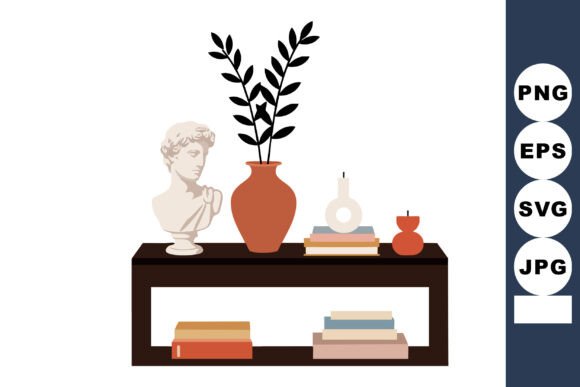
From the moment I viewed the design, I was struck by its calm, classical aesthetic. The shelf is framed with a bust statue, a terracotta vase, books, and small objects arranged in a way that feels both intentional and serene. It’s not overly busy, but it has enough detail to hold attention without overwhelming the eye. The layout is balanced, with clear visual hierarchy that suggests it would translate well to various embroidery formats.
This design feels like it was made for those who appreciate timeless beauty. It’s not flashy, but it has a quiet sophistication that could elevate any handmade product or personalized gift. If you’re looking for something that adds a touch of elegance without being too bold, this could be a good fit.
Real-World Use: Where Does It Shine?
Let’s imagine a scenario: You’re designing a custom embroidered tote bag for a client who wants something unique. You choose Decorative Shelf with Classical Bust Sta as the main motif. When you stitch it out, the design holds up surprisingly well. The lines are clean, and the details don’t get lost in the stitching process. It works especially well on cotton or canvas, where the texture complements the design’s organic feel.
For a sweatshirt or t-shirt, the design scales nicely, but you’ll want to ensure the hoop size is large enough to accommodate the full composition. On a baby onesie, the softness of the fabric pairs well with the gentle style of the design. It’s also a great candidate for an embroidered patch, where the intricate details can stand out without being too dense.
If you’re using it for a holiday gift, such as a decorative pillow or a kitchen towel, the design adds a refined touch that feels handcrafted and thoughtful. It’s the kind of piece that could easily become a customer favorite—something they’ll keep for years.
Where to Be Cautious: Limitations and Considerations
While Decorative Shelf with Classical Bust Sta is visually appealing, it’s not a one-size-fits-all design. For instance, if you’re working with small hoop sizes, you may find that parts of the design get cut off or distorted. Similarly, on textured fabrics or thin materials, the stitches might not sit as smoothly as you’d like. This is especially true for stretchy fabrics, where the design could pucker or lose definition.
On dark fabrics, the contrast between the design and the background may be less effective. You might need to adjust thread colors or consider a white-on-black version for better visibility. If you’re planning to use this on curved surfaces like caps or bags, be prepared to adjust the design slightly to fit the shape.
Also, the design’s level of detail means it may not be ideal for projects that require frequent washing. If you’re making a high-use item like a reusable grocery bag or a children’s apron, you’ll want to test the durability of the stitches before finalizing the project.
Design Impact: Visual Appeal and Customer Perception
One of the most important things to consider is how a design affects the overall perception of your product. Decorative Shelf with Classical Bust Sta has a certain quality that can make a handmade product feel more valuable. Customers often associate intricate, well-crafted designs with higher quality, which can increase trust and engagement.
When used on a boutique product or an Etsy listing, this design can help set your brand apart. It’s not just about the look—it’s about the story behind the design. A customer who sees this on a pillow or a tote bag might imagine the care and thought that went into creating it, which can boost the perceived value of the finished product.
It also plays well with branding. If you’re running a craft business or a small shop, having a consistent visual language across your products is key. This design could serve as a signature element that customers recognize and associate with your brand.
Practical Designer Notes: What to Test Before Finalizing
Before committing to a project, I always recommend testing the design on scrap fabric. This helps you see how the stitches interact with the material and whether the design looks as intended. Check the stitch density to make sure it’s not too heavy, which could cause puckering or discomfort on clothing items.
Ensure the hoop size is appropriate for the design. If it’s too big, you may need to split the design into sections. Also, inspect the small details—like the leaves on the vase or the edges of the books—to make sure they’re visible and well-defined after stitching.
Try it in black and white mockups to see how it looks without color. Compare it on light and dark backgrounds to determine the best thread color options. And don’t forget to use the right stabilizer for the fabric type—especially if you’re working with delicate or stretchy materials.
Finally, check the licensing terms if you plan to sell finished items or digital products. Even though the design is downloadable, you’ll want to confirm that it’s suitable for commercial use before proceeding.
Final Thoughts: A Thoughtful Addition to Your Design Library
Decorative Shelf with Classical Bust Sta is a design that requires a bit of care, but it rewards the user with a refined, elegant look. It’s not the kind of design that will grab attention immediately, but it has a lasting appeal that can enhance a wide range of embroidery projects.
Whether you’re an Etsy seller, a craft business owner, or a hobbyist looking to expand your collection, this design offers a unique opportunity to create something that feels both artistic and functional. With the right approach, it can become a staple in your creative toolkit—perfect for adding a touch of class to any handmade product or personalized gift.