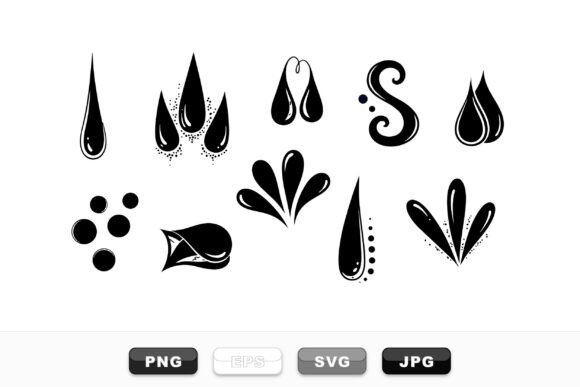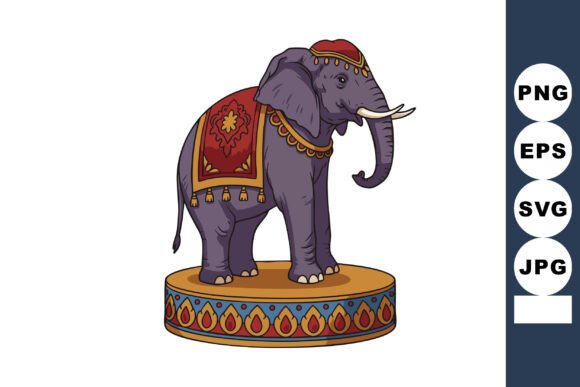
Decorative Art: Graphics for Creative Branding
As a brand designer and content marketer, I’ve seen countless graphic design assets come and go. But Decorative Art stands out for its simplicity, versatility, and high-quality execution. This design asset is ideal for small business branding, digital product creation, and content marketing projects that need a touch of visual flair without overwhelming the audience.
The First Impression: Mood and Emotional Tone
When I first laid eyes on Decorative Art, I was struck by its clean lines and balanced composition. It exudes a calm, professional energy that feels modern yet approachable. The design doesn’t shout for attention—it invites the viewer to engage with it. This makes it perfect for brands aiming to build trust through subtle, elegant visuals.
The mood it creates is versatile enough for lifestyle content, handmade products, or even premium branding. It doesn’t feel too casual or too formal, which is a rare balance in today’s design landscape. Whether you’re promoting a seasonal offer or building a content kit, Decorative Art can help set the right tone.
Real-World Applications in Marketing and Branding
Decorative Art works well in a variety of real-world scenarios. For example, imagine a small business launching a new line of eco-friendly home goods. Using this design as a background for social media graphics or packaging inserts could elevate the brand’s aesthetic while maintaining a cohesive look across all touchpoints.
In logo design, Decorative Art could serve as a subtle element that reinforces the brand’s identity without overpowering the main mark. Similarly, in packaging design, it could act as an accent that adds visual interest without distracting from the product itself.
For digital ads and blog graphics, this design asset offers a fresh, modern look that aligns with current trends. It’s also great for editorial design, where visual hierarchy and clarity are key. When used correctly, Decorative Art helps create a more engaging and memorable campaign.
Supporting Marketing Goals with Visual Consistency
One of the most valuable aspects of Decorative Art is how it supports consistent branding. A strong visual identity is crucial for audience recognition and trust. By using this design asset across multiple platforms—social media covers, email banners, and website headers—you can ensure your brand looks polished and professional.
It also helps with stronger first impressions. In a world where attention spans are short, a well-designed graphic can make all the difference. Decorative Art provides a foundation for creating content that captures attention without appearing cluttered or unprofessional.
Additionally, this asset can improve product presentation. Whether you’re designing packaging inserts or promotional banners, Decorative Art adds a layer of sophistication that enhances the overall look and feel of your materials.
Where Decorative Art Shines
Decorative Art excels in situations where a decorative element is needed but not the focal point. Hero graphics, campaign headers, and product launch visuals benefit from its clean, modern style. It also works well as part of a design bundle, offering flexibility for different creative needs.
For social media covers and Pinterest pins, this design asset can help your content stand out in a crowded feed. It’s also useful for branded templates, allowing you to maintain consistency across all your digital assets without reinventing the wheel.
Editorial layouts and content bundles often require a mix of text and visuals. Decorative Art provides a stylish backdrop that complements written content without competing with it. This makes it a valuable addition to any content marketing toolkit.
Where to Use It Carefully
While Decorative Art is highly versatile, there are certain situations where it may not be the best fit. Formal corporate branding, for instance, often requires a more restrained and minimal approach. In such cases, this design might feel too ornate or distract from the core message.
It’s also important to consider layout density. In designs with a lot of information or text, Decorative Art could become a visual distraction. Similarly, in small mobile graphics or low-contrast backgrounds, the design may not render as effectively.
If your brand is already very minimal or if your messaging is text-heavy, you’ll want to use this asset sparingly. The goal is to enhance the message, not overshadow it.
Practical Designer Notes for Real Campaigns
Before integrating Decorative Art into your campaign, test it with your brand color palette. Ensure it complements your existing visuals and doesn’t clash with your brand’s identity. Also, check how it looks in black and white to confirm it maintains its impact without color.
Place it inside real campaign mockups to see how it interacts with other elements. Preview it on mobile screens to ensure it scales well and remains legible. Compare it against competitor visuals to see how it stacks up in terms of quality and uniqueness.
Consider how it pairs with different font styles. Whether you’re using a serif, sans serif, script, or display font, Decorative Art should enhance the overall design rather than compete with it. Review spacing and balance to ensure the composition feels natural and intentional.
Finally, always confirm the commercial license before using this design in paid campaigns, client work, or business branding. This ensures you’re fully compliant and can use the asset without legal concerns.
Why Decorative Art Is a Strong Design Asset
Decorative Art is more than just a pretty graphic—it’s a practical tool for content creators, small business owners, and marketers looking to elevate their visual storytelling. Its simple design with high-quality execution makes it adaptable to a wide range of applications, from social media graphics to packaging design.
Whether you're working on a digital product, printable design, or Canva template, this asset can add a touch of creativity without compromising professionalism. It’s a great choice for those looking to build a cohesive brand identity or create visually appealing marketing materials that resonate with their audience.
With its support for multiple file formats—including SVG and PNG—Decorative Art offers flexibility for both digital and print use. It’s a reliable addition to any design library, especially for those who value efficiency, quality, and visual appeal in their work.